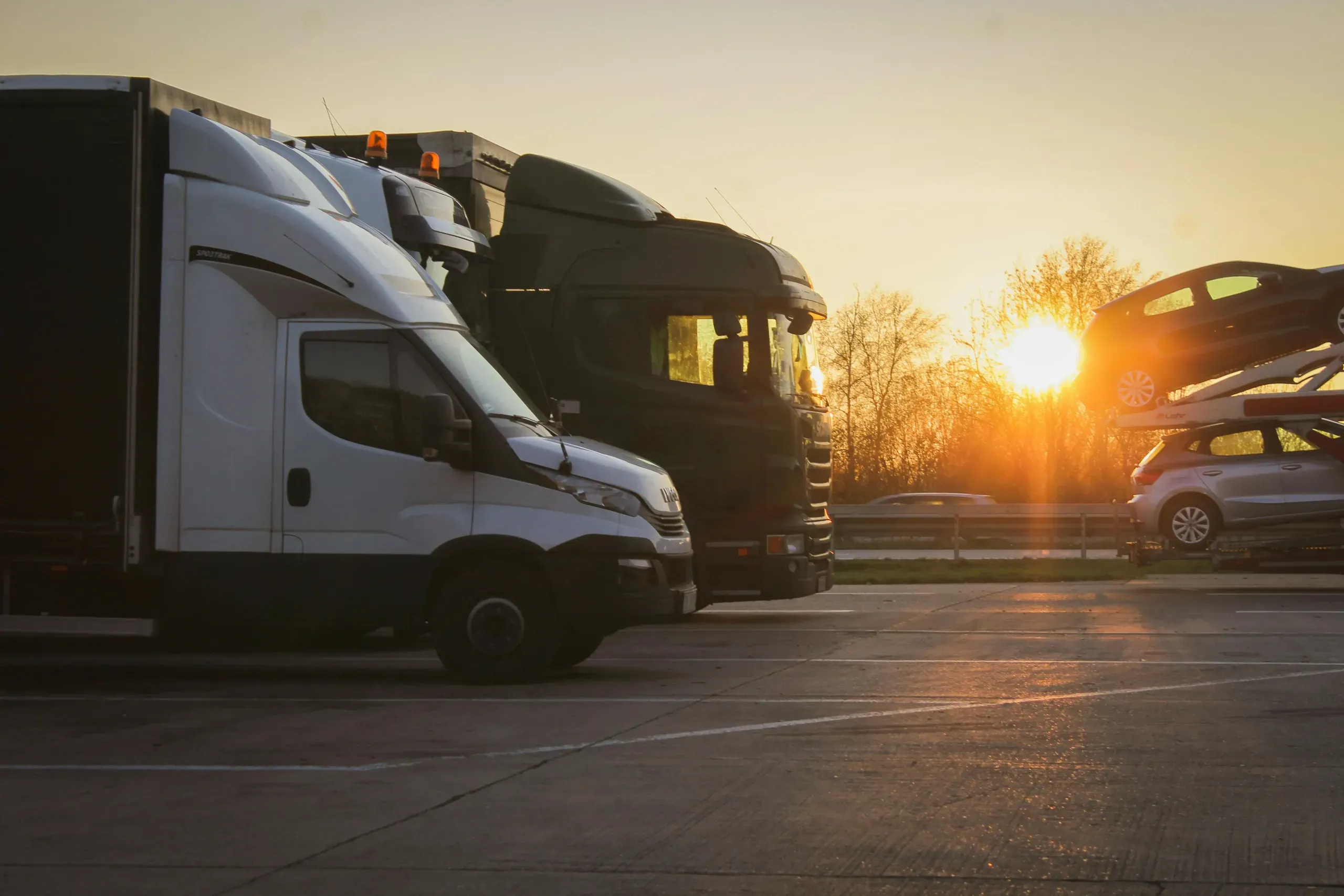
Ship Car from West Virginia to North Dakota
Moving a vehicle from the mountains of West Virginia to the open plains of North Dakota covers approximately 1,460 miles, a haul that typically takes a carrier 4 to 6 days to complete. Most drivers utilize the I-94 corridor to bridge the distance between the Appalachian region and the Upper Midwest. As a referral service, Ship Car Pros connects you with vetted carriers equipped for this specific long-haul route. This guide breaks down current shipping costs, transit expectations, and the booking process, while offering tips on carrier verification, vehicle preparation, and answers to common industry questions.
- No-obligation quote within 2 minutes
- Price all-inclusive
- No charge until driver confirmed
- Distance
- 1,460 mi
- Transit time
- 4–6 days
- Open carrier from
- $1,650
How much does it cost to ship a car from West Virginia to North Dakota?
Shipping a vehicle from West Virginia to North Dakota typically costs between $1,650 and $2,200 for open transport, while enclosed shipping generally ranges from $3,150 to $4,200 for the 1,460-mile trip. You can expect your car to arrive in approximately 4 to 6 days once it is loaded onto the trailer. As a referral service, Ship Car Pros coordinates these logistics by matching your specific route with independent carriers who specialize in long-haul interstate transport. While these price ranges represent the current market average, there are several key factors-including vehicle size, seasonal demand, and fuel costs-that determine where your final quote lands. Understanding these variables helps you choose the service level that fits your budget and timeline.
What factors affect car shipping cost?
While distance is the primary driver of your quote, several specific variables determine where your price falls within the typical range. Carriers look at the logistics of your 1,460-mile haul to calculate their overhead and trailer space. Ship Car Pros connects you with carriers who weigh these six factors when providing an all-inclusive rate:
- Vehicle dimensions and weight: Larger trucks and SUVs occupy more trailer space and increase fuel consumption compared to sedans.
- Transport type: Open trailers are the standard, affordable choice, while enclosed transport provides premium protection at a higher cost.
- Pickup and delivery flexibility: Providing a wider window allows carriers to better align your vehicle with their existing routes.
- Seasonal demand: Rates often fluctuate during peak moving seasons or when winter weather impacts northern routes like I-94.
- Route accessibility: Deliveries to major hubs are generally cheaper than those requiring a driver to navigate remote, rural areas.
- Vehicle operability: Cars that cannot be driven onto the trailer require specialized winching equipment and additional labor.
Open vs. enclosed car transport: which should you choose?
Most vehicles traveling the 1,460 miles from West Virginia to North Dakota move via open transport. This is the standard multi-car trailer you see on the interstate. At a typical cost of around $1,825 for this route, it is the most practical choice for daily drivers, SUVs, and trucks. While your car is exposed to the elements and road dust, it is fully insured against transport damage.
Enclosed transport is a premium service, typically costing around $3,490 for this corridor. Your vehicle stays inside a hard-sided trailer, shielded from North Dakota’s unpredictable weather and road debris. This option makes sense if you are shipping a classic car, a luxury model valued over $100,000, or a vehicle with very low ground clearance. As a referral service, Ship Car Pros can match you with specialized enclosed carriers that provide higher insurance limits and extra protection for high-value investments.
- Open carrier
- $1,650–$2,200
- Standard 7–10 car hauler.
- Enclosed carrier
- $3,150–$4,200
- Sealed trailer for high-value vehicles.
How long does it take to ship a car from West Virginia to North Dakota?
Shipping a vehicle from West Virginia to North Dakota typically takes 4 to 6 days to cover the 1,460-mile distance. Most solo drivers cover about 400 to 500 miles per day once they are on the road, accounting for mandatory rest breaks, fueling, and the time required to navigate through different weather patterns. While the drive itself across I-94 is straightforward, your total timeline also includes the initial pickup window and any stops the carrier makes to drop off other vehicles along the route. Factors like heavy winter snowfall in the Great Plains or mechanical delays can occasionally shift these estimates. Ship Car Pros works to keep you informed throughout the journey, and we’ll explain more about how pickup windows and seasonal weather specifically impact your delivery schedule in the following sections.
Which routes do carriers usually take?
Carriers moving your vehicle out of West Virginia first navigate the steep, 7% grades of the Appalachian Mountains, often utilizing I-77 or I-79 to reach the major east-west freight lanes. Once clear of the mountains, the primary route follows I-94 W across the heart of the Midwest. This 1,460-mile journey transitions from the winding, fog-prone river valleys of the East to the wide-open, wind-swept plains of the Dakotas.
Pickup density is highest near Charleston, Morgantown, and the Eastern Panhandle, where interstate access is most reliable. As a referral service, Ship Car Pros matches you with drivers who understand these regional shifts-from managing heavy braking on Sandstone Mountain to navigating the high-wind corridors of the Red River Valley as they approach Fargo and Bismarck.
What can delay your shipment?
The 1,460-mile trek from the Appalachians to the Great Plains involves several natural bottlenecks that can shift your delivery date. In West Virginia, dense fog belts and steep 7% grades on Sandstone Mountain often slow heavy carriers to a crawl for safety. Once the route hits the open stretches of I-94, high-velocity crosswinds and sudden ground blizzards in North Dakota can trigger mandatory interstate closures, especially between November and April. Beyond weather, logistics also play a role. Carriers typically don't pick up on weekends, so a Friday booking often moves to the following Monday. If you are shipping from a Copart or IAA auction, missing gate pins or lot numbers will stall the driver at the gate, adding days to the front end of your timeline.
Popular Routes
Major city-to-city routes on the West Virginia → North Dakota corridor.
| From | To | Approx. distance | Transit |
|---|---|---|---|
| Huntington, WV | Fargo, ND | ~930 mi | 3-5 days |
| Charleston, WV | Bismarck, ND | ~1,130 mi | 4-6 days |
| Morgantown, WV | Grand Forks, ND | ~1,030 mi | 4-6 days |
| Parkersburg, WV | Minot, ND | ~1,160 mi | 4-6 days |
| Wheeling, WV | West Fargo, ND | ~940 mi | 3-5 days |
| Weirton, WV | Williston, ND | ~1,250 mi | 4-6 days |
| Martinsburg, WV | Dickinson, ND | ~1,340 mi | 4-6 days |
| Fairmont, WV | Mandan, ND | ~1,160 mi | 4-6 days |
| Beckley, WV | Jamestown, ND | ~1,090 mi | 4-6 days |
| Clarksburg, WV | Wahpeton, ND | ~950 mi | 3-5 days |
How does shipping a car from West Virginia to North Dakota work?
Shipping a car from West Virginia to North Dakota is a straightforward three-stage process: getting an all-inclusive quote, coordinating the vehicle pickup, and completing the final delivery. First, we match your specific route with a carrier from our referral network to establish a price and timeframe. Next, a driver arrives at your designated location for a thorough condition inspection before loading. Finally, your vehicle is transported across the Midwest for a second inspection and hand-off at your destination. We’ll break down exactly what to expect during each of these phases below.
What happens between booking and pickup?
Once you accept your quote, we move into the coordination phase to bridge the gap between West Virginia and North Dakota. Ship Car Pros acts as your logistical partner, handling the communication behind the scenes so you aren't stuck managing multiple drivers.
Here is exactly what happens next:
- Carrier Matching: We post your shipment to the national loading board and our private network to secure a carrier already running the I-94 corridor.
- Dispatch Confirmation: Once a carrier accepts the load, we verify their insurance and safety credentials before officially dispatching them to your location.
- Driver Assignment: You receive a notification containing the carrier’s name, the driver’s name, and their direct phone number.
- Window Coordination: The driver calls you 24 to 48 hours in advance to narrow down the pickup window based on their current location and traffic.
- On-Site Inspection: When the truck arrives, the driver performs a 21-point Bill of Lading (BOL) inspection with you to document the vehicle's condition before it is loaded for the 1,460-mile trip.
What is a bill of lading (BOL)?
The Bill of Lading (BOL) acts as both your official shipping contract and a detailed condition report. Before your vehicle leaves West Virginia, the driver performs a 21-point inspection, documenting every existing scratch, chip, or dent with photos and notes. You will sign this document at pickup to acknowledge the car’s current state. When the carrier reaches North Dakota, you must perform a second inspection. Always examine the vehicle in good, natural light before signing the final BOL. Once you sign off at delivery, you are legally agreeing that the car arrived in the same condition it left, making this document your primary protection for insurance claims.
After delivery: registration and inspection in North Dakota
Once your vehicle arrives in the Peace Garden State, you have 90 days to establish residency and transfer your registration. North Dakota is relatively straightforward for new arrivals; unlike many states, it does not require a routine safety inspection or emissions testing for standard out-of-state vehicles. You will need to visit a local Motor Vehicle Division (MVD) office with your original out-of-state title, proof of North Dakota insurance, and a completed Form SFN 2872.
Be prepared for the motor vehicle excise tax, which is 5% of the vehicle’s value. However, North Dakota offers a tax credit if you already paid sales tax in West Virginia-you’ll only owe the difference if your previous rate was lower than 5%. If you miss the 90-day window, you risk local citations for an unregistered vehicle. For official forms and fee calculators, visit the North Dakota DOT website.
Before you settle in, don't forget to tie up loose ends in the Mountain State. West Virginia law requires you to surrender your license plates to the DMV and receive a Form DMV-64 receipt before you cancel your old insurance policy to avoid a registration suspension.
How do you verify a car transport company is legitimate?
Verifying a carrier’s legitimacy is the most critical step in protecting your vehicle during a 1,460-mile haul. Every legal transporter must have an active Motor Carrier (MC) number and a Department of Transportation (DOT) number. You can verify these yourself through the FMCSA’s Licensing & Insurance database. If a company’s authority is listed as "inactive" or "pending," do not let them touch your car.
Legitimate providers, including the referral network at Ship Car Pros, will always provide a written agreement before asking for a commitment. This document should clearly outline the all-inclusive price, insurance coverage, and cancellation policies. A major red flag in this industry is any company that demands an upfront deposit before a driver has actually been assigned to your route. Professional brokers and referral services only charge a deposit once a carrier is confirmed and dispatched.
Beyond federal records, check third-party consumer sites like the Better Business Bureau (BBB) and Transport Reviews. Look for patterns in the feedback rather than isolated complaints. Reliable companies will have a history of responsive communication and consistent delivery windows. If a quote seems significantly lower than the market average of $1,825 for this route, it is often a "bait-and-switch" tactic. Stick with providers who offer transparent, market-rate pricing and can prove their carriers carry the required $50,000 to $250,000 in cargo insurance.
How do I prepare my car for shipping?
Preparing your car for a 1,460-mile journey ensures a smooth hand-off and protects you during the inspection process. While the carrier handles the heavy lifting, taking these specific steps helps the driver and secures your vehicle for the varied terrain between West Virginia and North Dakota.
Follow this checklist before the carrier arrives:
- Wash the exterior: A clean car is essential for an accurate Bill of Lading. Dust and road salt can hide small dings or scratches during the initial inspection.
- Document the condition: Take dated, high-resolution photos of the vehicle from all angles, including the interior and odometer.
- Remove personal belongings: Clear out all items except for the spare tire and jack. Remove toll tags, parking permits, and aftermarket GPS units to prevent loss or damage.
- Maintain a quarter-tank of fuel: This provides enough gas for loading and unloading while keeping the vehicle’s weight low for the carrier.
- Secure loose parts: Fold in mirrors, retract antennas, and ensure any specialty racks or spoilers are tightened or removed.
- Note mechanical quirks: If your car has a slow leak, a touchy alarm, or a specific starting sequence, write it down for the driver.
Once these steps are complete, your vehicle is ready for the trailer and the long haul across I-94.
Specialty shipments from West Virginia to North Dakota
Not every transport involves a standard daily driver. Whether you are managing a high-stakes purchase from an auto auction, moving a project car that doesn't start, or relocating an entire household fleet, specialized logistics come into play. These scenarios require specific equipment and documentation to bridge the 1,460 miles successfully. Ship Car Pros connects you with carriers equipped for these unique challenges, ensuring your vehicle is handled correctly from the Appalachian foothills to the North Dakota plains.
How do you ship a car bought at Copart or IAA auction?
Shipping a vehicle from a Copart or IAA facility involves a specific set of logistical hurdles that differ from a standard residential pickup. Before a carrier can even enter the auction lot, they must have three critical pieces of information: the lot number, the buyer number, and a valid gate pin. As the buyer, you are responsible for providing these details to Ship Car Pros once your invoice is paid in full. We cannot dispatch a driver until the auction marks the vehicle as "ready for pickup."
Because these facilities require scheduled appointments and often have long loading lines, auction pickups typically add one to three days to your initial timeline. It is also vital to confirm the vehicle’s operability; if the car doesn't start and steer, we must match you with a carrier equipped with a winch. Providing accurate documentation upfront prevents the driver from being turned away at the gate, which avoids dry-run fees and storage penalties.
How do you ship an inoperable car?
Shipping a car that doesn't start requires a carrier equipped with a specialized winch to pull the vehicle onto the trailer. While the engine may be dead, the car must still be able to roll, steer, and brake to be safely loaded. If the wheels are locked or the steering column is seized, standard transport isn't possible without a forklift, which most carriers do not carry. Because winching takes extra time and labor, shipping an inoperable vehicle adds a surcharge to the standard rate. When you book through Ship Car Pros, we ensure your carrier has the right gear so your project car or auction find isn't left stranded at the pickup location.
How do you ship multiple cars at once?
Shipping multiple vehicles from West Virginia to North Dakota is a common request for families relocating or collectors moving several pieces at once. When you book more than one car on the same route, the per-vehicle rate typically drops. This happens because the carrier saves on "deadhead" miles-the fuel and time spent driving to different pickup and delivery locations. By providing two or more loads at a single stop, you make the route more efficient for the driver.
Ship Car Pros matches these requests with carriers who have enough available deck space to keep your vehicles together. While most multi-car shipments travel on the same trailer, extremely large loads or tight timelines might occasionally require splitting them between two trucks. Generally, bundling your vehicles is the most cost-effective way to handle a 1,460-mile move, as it simplifies your logistics into a single point of contact and a coordinated delivery window.
Is it cheaper to ship a car or drive it from West Virginia to North Dakota?
When you compare the raw numbers for the 1,460-mile trip from West Virginia to North Dakota, driving often looks cheaper on paper, but the gap is narrower than most people expect. Shipping your vehicle via open transport typically costs around $1,825. In contrast, the estimated cost to drive is approximately $1,262. This figure includes about $1,022 in per-mile expenses-covering fuel, maintenance, and wear and tear based on AAA’s 2024 data-plus $240 for two necessary overnight stays.
The roughly $560 difference buys you more than just a truck ride; it addresses the logistics of a 22-hour non-stop journey. Driving this route means navigating the steep Appalachian grades and the high-wind corridors of the Great Plains back-to-back. Beyond the fuel and hotels, you have to weigh the opportunity cost of taking several days off work and the physical fatigue of solo long-haul driving.
For many, the $1,825 shipping rate is a worthwhile investment to keep nearly 1,500 miles off the odometer and avoid the logistical headache of a multi-day road trip. Others prefer the $1,262 DIY route to save money. As a referral service, Ship Car Pros provides the data so you can decide if the savings of driving outweigh the convenience of having a professional carrier handle the transit.
| Ship it | Drive it | |
|---|---|---|
| Total cost | $1,650–$2,200 all-in | ~$1,382 (fuel + lodging + meals) |
| Your time | 0 hours | ~24 hrs driving + overnight |
| Wear & tear | None | 1,460 mi added; ~$0.10/mi depreciation |
| Risk | Insured in transit | Personal liability + fatigue |
For most West Virginia → North Dakota shipments, ship is the better value once time and depreciation are counted.
Frequently asked questions
How much does it cost to ship a car from West Virginia to North Dakota?
Shipping a car from West Virginia to North Dakota typically costs between $1,650 and $2,200 for standard open transport. The exact price depends on your vehicle size, route popularity, and how much flexibility you have on pickup dates. If you need enclosed transport for a luxury or classic vehicle, expect to pay around $3,490 for the 1,460-mile trip. Rates also fluctuate slightly during peak summer moving seasons or harsh winter weather.
How long does it take for a carrier to drive from West Virginia to North Dakota?
A carrier usually takes 4 to 6 days to transport a vehicle the 1,460 miles from West Virginia to North Dakota. This transit time accounts for a solo driver covering about 400 miles per day while adhering to federal hours-of-service limits. The total timeframe can occasionally shift due to heavy winter snow in the Great Plains or stops the driver makes to unload other vehicles along the I-94 corridor.
Should I use open or enclosed transport for a 1,460-mile move?
You should use open transport for standard daily drivers, but enclosed transport is necessary for luxury, classic, or high-value vehicles. Open trailers handle roughly 85% of all shipments. They are safe, fully insured, and cost around $1,825 for this route. Enclosed transport completely shields your car from weather and road debris. It provides higher insurance limits but typically costs around $3,490 to bridge the distance between West Virginia and North Dakota.
When do I pay the transport deposit and the final delivery balance?
You pay a deposit only after a carrier is officially confirmed and dispatched, while the final balance is paid at delivery. A legitimate provider will never charge your card upfront just to give you a quote. Once the driver is assigned, the initial deposit is processed. When your vehicle arrives in North Dakota, you hand the remaining balance directly to the driver using cash, a certified check, or a money order.
Is my vehicle fully insured against damage during transport?
Yes, your vehicle is fully covered by the carrier's cargo insurance policy during the entire transport process. Every legal transport company operating on U.S. roads must carry this bumper-to-bumper coverage. Policies usually range from $50,000 to $250,000 per vehicle on open trailers. The Bill of Lading inspection you complete at pickup and delivery serves as the official documentation required to process any claims.
Do I have to be present at the pickup location in West Virginia?
No, you do not need to be physically present when the carrier arrives to pick up your vehicle. You can designate a trusted friend, family member, or neighbor to hand over the keys and sign the initial Bill of Lading. The same rule applies for delivery in North Dakota. You just need to provide the driver with the name and phone number of your authorized contact at each location ahead of time.
Will requesting quotes from multiple brokers lower my shipping price?
No, requesting quotes from multiple brokers at the same time will actually drive your shipping price up. Brokers post their loads to the same national digital marketplace. If you book with several companies, your vehicle appears multiple times on the board. Carriers see this duplicate listing and assume high demand, which artificially inflates the bidding. You end up inadvertently bidding against yourself and paying more for the exact same driver.
Can a carrier pick up my vehicle on a Saturday or Sunday?
Weekend pickups are possible but generally less reliable than weekday scheduling. Carrier activity drops significantly on Saturdays and Sundays. While drivers will deliver a vehicle on a weekend if they happen to arrive in North Dakota, they rarely start new routes. If you book a shipment on a Friday, it usually sits until dispatch resumes normal operations the following Monday or Tuesday.